The Structures Fund
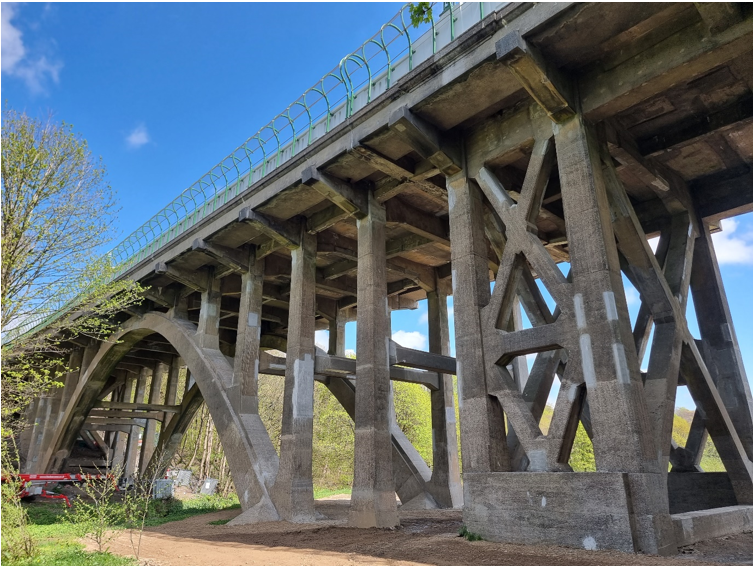
The Department for Transport (DfT) has this week published details of the Structures Fund, which provides grant funding towards the cost of repair, strengthening or replacement of local highway structures.
The fund is targeted at structures that local highway authorities (LHAs) may not otherwise be able to help maintain or restore to full functionality in their existing budgets. Its aim is to address structural deterioration, manage safety risks, and support the long-term resilience of the local highways network.
The DfT has highlighted four strategic objectives of the fund:
- Growth
- Cleaner energy
- Healthier and safer streets
- Breaking down barriers
Current Situation
Many LHAs are facing a growing backlog of bridge and highway structure maintenance, driven by prolonged funding constraints, increasingly onerous inspection and reporting requirements, and accelerated rates of deterioration due to climate change and changing usage patterns.
Essential maintenance requirements are in constant tension with limited budgets. At the same time, authorities are under increasing pressure to demonstrate clear value for money, often within short funding windows, making strategic investment decisions difficult.
In practice, budget prioritisation is typically condition-led, with assets in worst condition addressed first. For many LHAs, this has led to an increased use of interim mitigation measures, such as weight restrictions or traffic management, instead of long-term solutions, frequently leading to frustration for local communities and businesses.
Success with the Fund
Success with The Structures Fund will rely on robust, data-led prioritisation of assets, backed by evidence-based decision making.
Funding proposals are expected to be assessed against five cases:
- Strategic Case – demonstrating alignment with policy objectives and network needs
- Economic Case – showing strong value for money
- Commercial Case – confirming deliverability and procurement viability
- Financial Case – setting out affordability and funding requirements
- Management Case – evidencing robust governance, programme and risk management
While many LHAs hold extensive condition data within their asset management systems, translating this into clearly defined, investable schemes, is not straightforward. Identifying which structures best meet the fund’s objectives, and which offer the strongest likelihood of success, requires more than asset condition alone.
Aligning technical evidence, intervention strategies, and business case requirements within the accelerated timescales presents a particular challenge, and is likely to require specialist expertise to ensure proposals are credible and deliverable.
Wilde’s Experience
Wilde has worked alongside local authority clients for decades, supporting the management, assessment, and improvement of highway structures portfolios across the UK. Our experience spans the full asset lifecycle, from inspections and condition assessment through to option development, detailed design, and delivery support.
We have developed innovative prioritisation tools that integrate data extracted from asset management systems with wider technical and contextual information. This approach enables authorities to identify schemes that not only address condition and safety risk, but also represent strong value for money and align with wider network and funding objectives.
We operate as an extension of our clients’ teams, providing coordinated technical support across multiple disciplines. This collaborative model allows us to respond quickly to funding opportunities, support accelerated programme development, and help ensure that proposed structures interventions are robust, deliverable, and aligned with funding assessment requirements.
Looking Ahead
The DfT Structures Fund presents an opportunity for local highway authorities to address long-standing structural challenges and offers additional investment in key structures to deliver lasting local benefits. The authorities best placed to succeed will be those that can move quickly from asset information to clearly defined schemes that align with funding criteria and delivery expectations.
Early technical input, robust prioritisation and a clear understanding of the intervention options can reduce risk, improve value for money, and support decision making. As funding timescales are compressed, preparation and readiness will be as important as asset condition in determining which schemes progress.
Engaging specialist support now can help authorities maximise the potential of the fund and ensure that investment is directed where it will have the greatest impact.